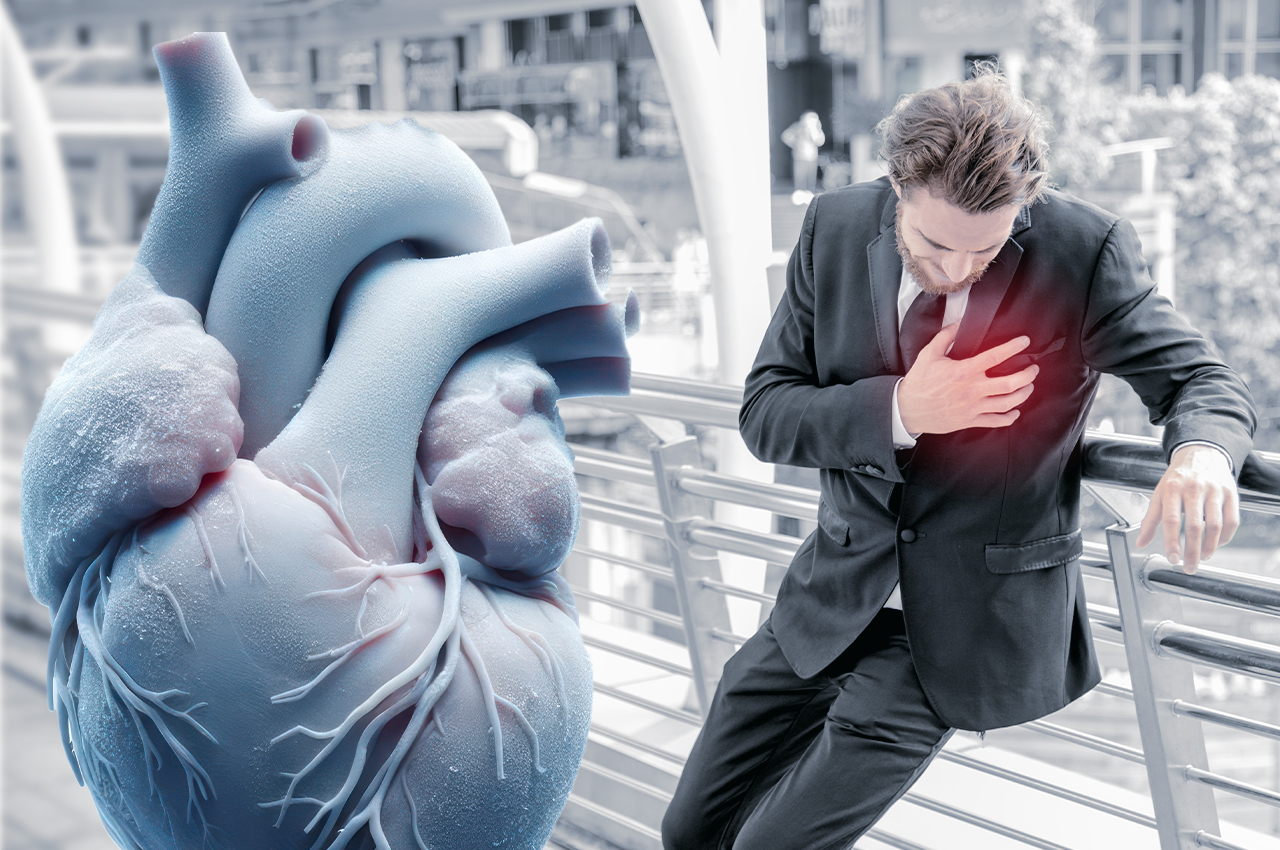
While the winter season brings many good health benefits, it can also cause certain health problems. Especially in cold weather, the risk of problems like chest pain and heart attack increases. Both conditions may be related to each other, but their causes, symptoms, and prevention methods are different. In this article, we will understand in detail the difference between these two conditions, the reasons behind them, symptoms, and methods of prevention.
Chest pain in cold weather:
Many people complain of chest pain during the winter season. Although it is not always a sign of a heart attack, it cannot be ignored.
Common causes of chest pain:
1. Muscle strain due to cold:
The muscles become stiff in the cold and can stretch during light activities, causing chest pain.
2. Air becoming colder and drier:
Cold and dry air in winter can irritate the lungs and airways. This is especially common for people who are suffering from respiratory problems like asthma or bronchitis.
3. Gastric Problems:
In winter, gastric problems can occur due to eating disorders or spicy food. Gas also causes chest pain, which can sometimes feel like a heart attack.
4. Cold and cough:
Coughing due to a cold can also cause chest pain. Continuous coughing causes muscle strain.
5. Cold-Induced Angina:
Due to cold, the arteries of the heart contract, which hinders blood flow. This condition is called angina, which is more common in cold.
6. Viral Infections and Flu
Symptoms of chest pain that may be common:
- Pain felt in muscles.
- Mild and temporary pain.
- Cough or phlegm with pain.
- Pain felt after eating, drinking, or gas.
In which situations should you be cautious?
- The pain persists for a long time.
- Difficulty in breathing along with pain.
- Pain spreads to the neck, left arm, or back.
- Cold sweat and feeling dizzy.
Heart attack in winter
The risk of heart attack increases in winter compared to normal days. Cold causes increased pressure on the heart and can cause problems in blood flow.
Why do heart attacks increase in winter?
- 1. Increase in blood pressure:
- Blood vessels contract in cold, due to which blood pressure increases. This condition puts pressure on the heart and increases the risk of heart attack.
- 2. Thickening of blood:
- Blood thickens in cold weather, which can slow down blood flow. Due to the thickening of the blood, the possibility of the formation of clots increases, which can cause a heart attack.
- 3. Less physical activity People remain less active in winter, which can increase cholesterol and obesity. Both of these are the main causes of heart attack.
- 4. Falling body temperature (hypothermia):
-
A drop in body temperature due to extreme cold can affect the functioning of the heart.
- 5. Sudden exposure to cold:
-
When the body is suddenly exposed to cold weather or cold water, the heart's arteries can constrict. This can stop blood flow in the heart, which causes a heart attack.
- Symptoms of heart attack: - Sharp and pressure-like pain in the chest.
- Pain spreading to the left arm, shoulder, neck, or back.
- Difficulty in breathing.
- Cold sweat and dizziness.
- Feeling like nausea or vomiting.
- Fatigue and weakness.
- Difference between chest pain and heart attack in cold
- 1. Chest pain in cold: - Cold air, muscle strain, or breathing problems.
- Sharp, stinging, or light pressure.
- Mostly no other symptoms.
- The pain does not spread elsewhere.
- Wear warm clothes and avoid the cold. - 2. Heart attack in winter: - Blockage in the arteries of the heart or pressure on the heart.
- Heavy, pressing pain, which feels like crushing.
- Difficulty breathing, cold sweat, dizziness.
- Pain may extend to the arm, neck, back, or jaw.
- Need for emergency medical assistance.
- Ways to prevent both situations in winter
- 1. Prevention of chest pain in cold: - Wear warm clothes to protect yourself from the cold.
- Use a scarf or mask to protect yourself from cold air.
- Avoid spicy and heavy food.
- Do light exercise regularly.
- To avoid gas or indigestion, take a timely and balanced diet
- 2. Prevention of heart attack in winter: - Keep blood pressure and cholesterol under control.
- Check blood pressure regularly.
- Eat a low-fat and low-salt diet.
- Avoid smoking and alcohol.
- Both these things damage the blood vessels - Exercise: - Walk for at least 30 minutes daily.
- Include yoga and pranayama in your daily routine.
Keep warm: - Wear warm clothes when going out in the cold.
- Use the heater properly.
Avoid stress: - Stress in winter can be harmful to the heart.
- What to do when there is chest pain or suspicion of a heart attack?
- In case of mild chest pain: - Rest and stop your activities.
- Drink warm water or use a heating pad.
- If the pain is due to gas, take antacids.
- If the pain persists for a long time, contact a doctor. - When symptoms of a heart attack appear: 1. Go to the nearest hospital immediately.
2. If possible, chew 300 mg of aspirin.
3. Keep the patient calm and do not allow him to move much.
4. Use emergency ambulance service.
- Conclusion
-
Both chest pain and heart attack can be serious health problems during cold weather. It is very important to understand both these conditions and identify the symptoms associated with them. While mild chest pain may be related to common problems, a heart attack can be life-threatening. To avoid heart-related problems in winter, regular exercise, a balanced diet, and protection from the cold are necessary. If you feel any unusual symptoms, immediately consult a doctor. Your caution is your safety.