Plain Raita Recipe – Zero Oil & Heart-Healthy | SAAOL
Categories:
Zero Oil Recipes

November 26, 2026
Read time: 6 mins
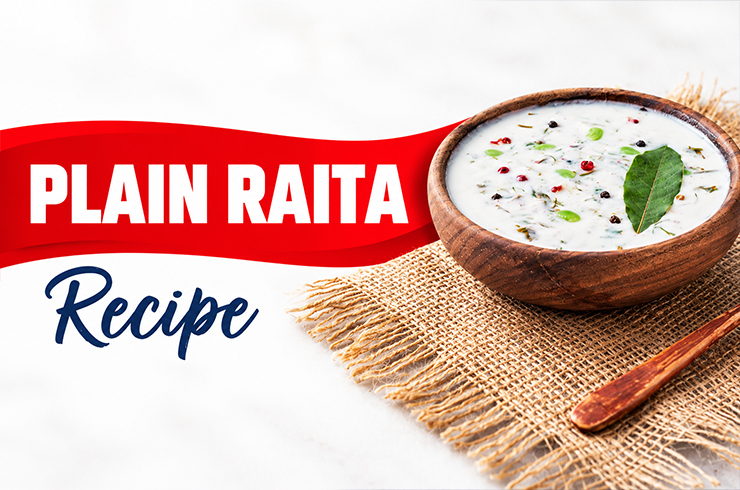
Plain Raita
Namaste dosto! Swagat hai aap sabka SAAOL Zero Oil Cooking channel par. Aaj hum banayenge ek healthy aur refreshing Plain Raita — simple, tasty aur bilkul nutritious. Toh chaliye shuru karte hain!
This Plain Raita is a simple, cooling side dish from SAAOL's Zero Oil Cooking kitchen — made with just curd, black pepper, and cumin powder, with no cooking oil at all. It's an easy accompaniment to any zero oil meal, adding a light, probiotic-rich side that fits comfortably into a heart-healthy, cholesterol-friendly diet.
Ingredients
• Curd – 1 bowl
• Salt as per taste
• Black pepper powder – ½ tsp
• Cumin powder- ½ tsp
• Salt as per taste
Method
Ek bowl curd lenge or usko ache se fet lenge sth hi hlka pnai dalke or fetenge or swadanusar namak, ½ tsp black pepper powder, ½ tsp cumin powder dalke mix krlenge.
Hamari healthy aur tasty Plain Raita tayar hai! Agar aapko yeh recipe pasand aayi ho, toh SAAOL Zero Oil Cooking channel ko like, share aur subscribe karna na bhoolen. Milte hain next healthy recipe ke saath. Stay healthy!.
Why This Plain Raita Is Good for Your Heart
Curd-based sides like this raita are a natural fit alongside SAAOL's Zero Oil cooking approach, since they add no oil or fat on their own and pair well with spiced main dishes. Using curd instead of a cream- or mayonnaise-based dip keeps this side low in saturated fat, which matters for anyone following a cardiac diet or managing cholesterol. Cumin and black pepper add flavour and warmth without needing any oil-based tempering, keeping this a genuinely zero oil addition to your meal. As a cooling, mild side dish, it also helps balance out spicier main courses without adding extra calories or fat to the plate.
Nutritional Highlights of This Recipe
Curd is a good source of protein and calcium, and it also contains natural probiotics that support gut health and digestion. Cumin is traditionally used to aid digestion as well, making this a practical side to pair with a heavier meal. Because there's no oil, cream, or sugar in this recipe, the overall calorie count stays low, while the protein from the curd helps make the meal more satisfying. Choosing low-fat curd instead of full-fat curd is a simple way to reduce the saturated fat content even further if you're watching your cholesterol closely.
Who Can Include This Recipe in Their Diet
This plain raita suits nearly everyone at the table. Heart patients and anyone managing cholesterol can enjoy it as a low-fat, oil-free side, especially when made with low-fat curd. It's also a good option for anyone managing weight, since it's filling without adding many calories to the meal. People with digestive discomfort often find that plain curd-based sides like this are easier on the stomach than heavier, spiced accompaniments. If you're lactose intolerant or have a specific dietary restriction around dairy, check with your doctor or dietician before making curd a regular part of your diet.
Pro Tips to Make It Even Healthier
A few small adjustments can make this raita even more suited to your needs. Use low-fat or skimmed curd instead of full-fat curd to cut down on saturated fat further. Add finely chopped cucumber or grated carrot for extra fibre and a bit of crunch, without changing the core method. Roasting the cumin powder lightly before adding it (in a dry pan, no oil needed) brings out a deeper flavour if you have a few extra minutes. Keep the raita chilled until serving, since it tastes best cold alongside a warm main course.
Different Ways to Serve This Raita
Plain raita works well alongside almost any zero oil meal in your everyday rotation. Serve it next to dal and rice, with a vegetable sabzi, or alongside parathas made using SAAOL's no-oil method, and it does a good job of cooling down the plate when a dish has a bit more chilli or spice in it. It also travels well for a light lunchbox addition, as long as it's kept cool until eaten. Some people prefer it thinner, almost like a drink, in which case adding a little more water when whisking the curd gives it a lighter, more pourable consistency others prefer it thicker, closer to a dip, which just means using less water. Either way, the same three ingredients do the job without needing separate recipes for each style.
More From SAAOL
Frequently Asked Questions
Is plain raita good for a heart-healthy diet?
Yes — since it's made only with curd and dry spices, with no oil or cream, this raita fits comfortably into a heart-healthy or cardiac diet, especially when made with low-fat curd.
Is curd good for cholesterol?
Low-fat curd is generally considered a better choice than full-fat dairy for anyone managing cholesterol, since it provides protein and probiotics without the higher saturated fat content of cream-based sides.
Can I add vegetables to this plain raita?
Yes — finely chopped cucumber, grated carrot, or boiled and mashed potato are common additions if you'd like a more filling version, though the plain version keeps things simplest and lowest in calories.
Is raita good for digestion?
Curd naturally contains probiotics that can support gut health, and cumin is traditionally added for its digestive benefits, which is part of why raita is commonly served alongside heavier meals.
Can this raita be part of a weight-loss diet?
Yes, in reasonable portions — it's low in calories and free of oil, and the protein from the curd can help you feel more satisfied without adding much to your overall calorie count for the meal.
Is this raita suitable for people who are lactose intolerant?
Not necessarily curd still contains dairy, so anyone who is lactose intolerant should check with their doctor or dietician before including it regularly, even though curd is often easier to digest than milk for some people.
How long can plain raita be stored?
It's best eaten fresh, ideally within a few hours of making it, and should be kept refrigerated until serving. Curd-based dishes don't keep well at room temperature, especially in warm weather.
Ready for More?
Want more zero oil recipes and heart-healthy sides like this one? Explore SAAOL's Zero Oil Cooking recipes, book a dietician consultation to build a complete meal plan, or consult a SAAOL doctor to understand how simple sides like this fit into your overall heart health.