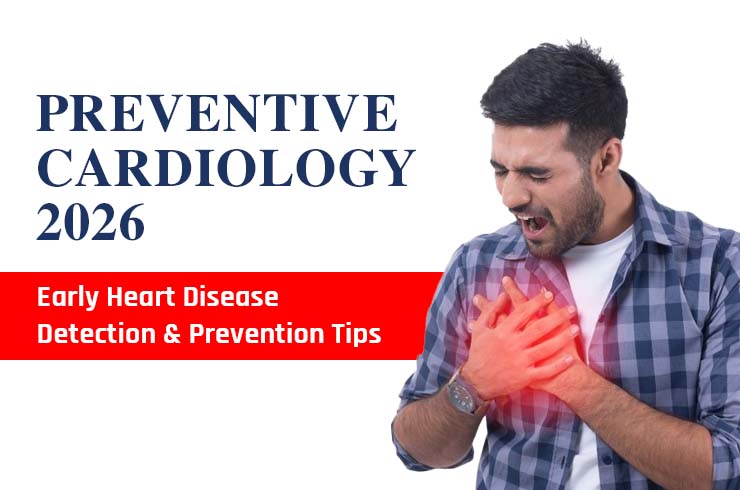
Preventive Cardiology 2026: Why Heart Disease Prevention Is the New Priority

March 09, 2026
Read time: 9 mins
Heart disease continues to be the leading cause of death worldwide, claiming millions of lives each year. Despite major advancements in medical technology, surgeries, and emergency cardiac care, modern medical care is now shifting from treatment to prevention. In the preventive cardiology 2026, experts emphasise the importance of preventive cardiology for protecting long-term heart health. By promoting heart disease prevention tips, regular cardiac risk assessment, and early heart disease detection, doctors can identify risks early. Along with these measures, adopting lifestyle changes to prevent heart disease, such as healthy eating, exercise, stress management, and better sleep, can significantly reduce the risk of heart attacks.
The Growing Focus on Preventive Cardiology in 2026
In recent years, the idea of preventive cardiology has become one of the most important changes in modern wellness and healthcare services. Traditionally, cardiology mainly focused on treating heart disease after symptoms appeared or when a person had already suffered a serious event like a heart attack.
However, preventive cardiology follows a different approach. Instead of waiting for the disease to develop, doctors now try to identify risk factors early and take steps to prevent heart disease before it starts.
There are several reasons why preventive cardiology has become so important today. One major factor is the increasing number of heart disease cases across the world. Modern lifestyles have changed significantly over the past few decades. Many people now spend long hours sitting, working on computers, or using digital devices, which leads to reduced physical activity.
Unhealthy eating habits have also contributed to the problem. Processed foods, high sugar intake, and excessive salt consumption are common in urban lifestyles. Along with this, rising stress levels and ageing populations have increased the burden of cardiovascular diseases globally.
Countries like India are particularly affected. Every year, cardiovascular diseases are responsible for more than two million deaths in the country. Fast-paced urban living, reduced physical movement, and poor dietary patterns have made heart disease a serious public health concern.
Fortunately, modern medical technology is making prevention easier than ever. Today, doctors can monitor heart health more closely using tools such as AI-powered diagnostic systems, EECP therapy, detox therapies, wearable heart monitoring devices, and digital health platforms. These innovations help doctors identify potential problems much earlier, making early detection and prevention more effective and accessible.
Why Cardiac Risk Assessment Is So Important
One of the most valuable tools used in preventive cardiology today is cardiac risk assessment. This method helps doctors estimate a person’s likelihood of developing heart disease over the next 10 years.
To calculate this risk, doctors consider several important factors. These usually include blood pressure levels, cholesterol levels, family history of heart disease, smoking habits, presence of diabetes, age, and overall lifestyle.
With advances in medical research, risk assessment models have become even more sophisticated. In 2026, some assessments also consider genetic markers and inflammatory biomarkers. These additional factors help doctors understand a person’s heart health in greater detail and make more accurate predictions about future risk.
Regular cardiac risk assessments allow doctors to identify individuals who may be at higher risk even before symptoms appear. Once a potential risk is identified, preventive measures can be recommended. These may include lifestyle changes, medications if necessary, and regular monitoring to ensure that the condition does not worsen.
Health experts often advise adults above the age of 40 to undergo heart risk assessments every one to two years, especially if they have a family history of heart disease.
Early Heart Disease Detection: Modern Tools and Technologies
Early detection plays a crucial role in preventing serious heart problems. Many heart conditions develop slowly over time and may not show noticeable symptoms until a major event, such as a heart attack, occurs.
By identifying these problems early, doctors can start preventive treatments and suggest lifestyle improvements that significantly reduce the chances of heart attacks or strokes.
Today, several modern technologies help doctors detect heart disease at an early stage.
Smart Wearables
Smartwatches and fitness bands have become increasingly popular in recent years. These devices can track several important health indicators such as heart rate, heart rhythm, oxygen levels, sleep patterns, and daily physical activity.
Some advanced wearables can even record ECG readings and detect irregular heart rhythms like atrial fibrillation. When people notice unusual patterns in their health data, they can consult a doctor early and take preventive action.
Coronary Artery Calcium (CAC) Scan
The Coronary Artery Calcium scan is a specialised CT scan used to detect calcium deposits in the coronary arteries. These deposits often indicate early plaque buildup, which can eventually narrow the arteries and restrict blood flow to the heart.
The scan provides a calcium score that helps doctors estimate the risk of future heart disease. Based on the results, doctors may recommend preventive treatments or lifestyle modifications.
Blood Biomarker Testing
Certain blood tests can also reveal early warning signs of heart disease. Biomarkers such as hs-CRP, NT-proBNP, and Lipoprotein(a) provide important insights into inflammation levels, stress on the heart, and inherited cholesterol risks.
These tests give doctors a deeper understanding of a person’s cardiovascular health compared to traditional cholesterol tests alone.
AI-Powered ECG Analysis
Artificial intelligence is now playing a growing role in cardiology. AI-based systems can analyse ECG patterns with high accuracy and detect abnormalities that may be difficult to identify through traditional interpretation.
By identifying subtle changes in heart rhythm patterns, these systems allow doctors to diagnose heart conditions earlier and begin treatment sooner.
Together, these modern technologies are helping doctors detect silent heart disease at an early stage and take preventive action before serious complications occur.
Simple Heart Disease Prevention Tips for Daily Life
Preventive cardiology is not limited to medical tests and hospital visits. Every day lifestyle habits also play a crucial role in maintaining heart health.
Here are some simple yet effective ways to protect your heart.
Eat a Heart-Healthy Diet
Your daily diet has a major impact on heart health. The foods you choose can influence cholesterol levels, blood pressure, body weight, and overall cardiovascular function.
A heart-healthy diet usually includes plenty of fresh fruits and vegetables. These foods provide essential vitamins, minerals, antioxidants, and fibre that support healthy blood vessels and improve circulation. Many nutrition experts recommend consuming at least four to five servings of fruits and vegetables each day.
Whole grains are another important component of a heart-friendly diet. Foods such as oats, brown rice, whole wheat, and quinoa contain fibre and nutrients that help control blood sugar levels and reduce LDL, commonly known as “bad” cholesterol.
Limiting salt intake is also essential. Excess sodium can increase blood pressure and place extra strain on the heart. Health guidelines generally suggest keeping daily salt consumption below five grams.
Stay Physically Active
Regular physical activity is one of the best ways to strengthen the heart. Exercise improves blood circulation, helps control weight, and reduces several risk factors associated with heart disease.
Experts recommend at least 150 minutes of moderate physical activity each week. Activities such as brisk walking, cycling, swimming, or yoga can significantly benefit heart health.
Manage Stress
Long-term stress can negatively affect heart health by increasing inflammation and raising blood pressure. Managing stress effectively is, therefore, an important part of preventive cardiology.
Practices such as meditation, deep breathing exercises, and yoga may help reduce stress and improve emotional well-being.
Maintain Healthy Sleep
Sleep is often overlooked, but it plays a vital role in maintaining cardiovascular health. Adults should ideally aim for seven to nine hours of quality sleep every night.
Poor sleep patterns are linked to higher risks of hypertension, obesity, and heart disease.
Quit Smoking
Smoking is one of the most harmful habits for the heart. It damages blood vessels, reduces oxygen supply, and significantly increases the risk of heart attacks and strokes.
Quitting smoking can lead to noticeable improvements in cardiovascular health within a relatively short period of time.
Lifestyle Changes That Help Prevent Heart Disease
Preventive cardiology strongly emphasises long-term lifestyle improvements. Even small changes in daily habits can create a significant positive impact over time.
Improving your diet is an excellent starting point. Replacing refined carbohydrates and heavily processed foods with whole grains and fibre-rich options can help lower cholesterol levels and support better heart health.
Maintaining a healthy body weight is equally important. Research shows that losing even five to ten per cent of body weight can reduce the risk of diabetes, high blood pressure, and cardiovascular disease.
Staying well-hydrated also supports healthy blood circulation and overall metabolic function. Drinking adequate water throughout the day helps the body perform many essential functions effectively.
Another important but often overlooked factor is social connection. Strong relationships with family and friends can reduce stress, improve emotional health, and contribute to better long-term health outcomes.
The Future of Preventive Cardiology
Preventive cardiology is expected to grow rapidly in the coming years. Several technological and healthcare policy changes are driving this shift.
Future developments may include:
- AI-based personalised health recommendations
- Advanced genetic screening
- Remote heart monitoring through wearable technology
- Telemedicine-based cardiac care
Healthcare systems are increasingly investing in prevention because it is far more cost-effective than treating advanced heart disease.
Conclusion
In preventive cardiology 2026, the focus of heart health is shifting more toward prevention rather than treatment. The importance of preventive cardiology is that it helps identify risks before serious heart problems develop. With regular cardiac risk assessment and early detection of heart disease, doctors can identify issues at an early stage and guide people toward better health.
Following simple heart disease prevention tips, such as eating a healthy diet, staying physically active, managing stress, and getting good sleep, can greatly reduce the risk of heart disease. These lifestyle changes to prevent heart disease play an important role in keeping the heart healthy.