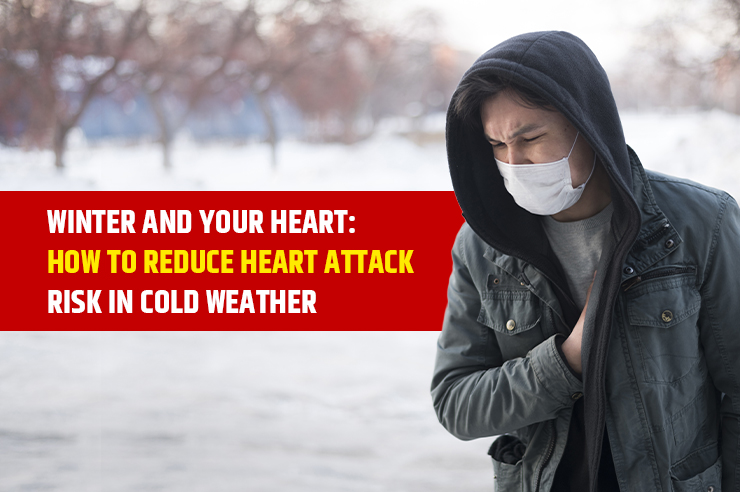
Winter and Your Heart: 7 Essential Tips to Prevent Heart Problems

January 09, 2026
Read time: 6 mins
Winter is often associated with comfort, festivities, and warmth, but it is also one of the most dangerous seasons for heart patients. Medical studies and hospital data consistently show a sharp rise in heart attacks in winter. Cold weather directly affects blood circulation, blood pressure, and heart workload, increasing winter heart attack risk, especially in people with diabetes, hypertension, obesity, or existing heart disease.
Understanding the connection between winter and heart health is crucial for preventing life-threatening complications. Let’s explore why heart attacks occur in winter and how you can protect your heart with simple yet effective steps.
Why Heart Attacks Are More Common in Winter
Many people ask an important question: Why do heart attacks occurmore often in winter than in summer?
The answer lies in how cold weather affects the human body and lifestyle.
1. Cold Weather Narrows Blood Vessels
With increased cold exposure, blood vessels naturally constrict to retain heat. This constriction elevates blood pressure and compels the heart to exert more effort in circulating blood throughout the body. For individuals with blocked arteries, this additional pressure may precipitate a heart attack.
2. Increased Blood Thickness and Clot Risk
During winter, dehydration is prevalent due to a reduction in water intake. Additionally, cold weather contributes to increased blood viscosity, heightening the likelihood of clot formation, which is a significant contributor to heart attacks in the winter months.
3. Higher Blood Pressure in Winter
Numerous studies indicate that blood pressure readings tend to be higher in winter compared to summer. Elevated blood pressure places additional strain on the heart and increases the risk of cardiovascular issues during the winter season.
4. Reduced Physical Activity
Cold weather often discourages outdoor activity. As a result, individuals may exercise less, gain weight, and experience reduced circulation, all of which can adversely impact heart health.
5. Unhealthy Winter Eating Habits
Winter diets frequently consist of fried foods, salty snacks, sweets, and heavy meals. An excess of salt and fat can exacerbate cholesterol levels and blood pressure, thereby increasing the risk of heart attacks during the winter.
6. Increased Stress and Depression
Shorter days, diminished sunlight, social pressures, and seasonal depression can elevate stress hormones such as cortisol, which may lead to irregular heart rhythms and spikes in blood pressure.
Winter and Heart Health: Who Is at Highest Risk?
While anyone can suffer a heart attack in winter, the risk is significantly higher for:
- People with diabetes
- High blood pressure patients
- Smokers or former smokers
- Obese individuals
- People with high cholesterol
- Those with a previous heart attack, angioplasty, or bypass surgery
- Elderly individuals
If you fall into any of these categories, heart care in winter should be a priority, not an option.
7 Essential Heart Care Tips to Prevent Heart Problems in Winter
1. Stay Warm – A Simple but Powerful Heart Protection Step
Cold exposure is one of the strongest triggers for heart attacks in winter. A sudden drop in weather conditions causes blood pressure to rise rapidly and reduces oxygen supply to the heart.
Heart care in winter tips:
- Wear layered clothing instead of a single thick layer
- Always cover your head, chest, hands, and feet
- Avoid bathing with very cold water
- Do not step outside early morning without proper warm clothing
- Keep indoor rooms comfortably warm
Maintaining body warmth reduces heart workload and lowers winter heart attack risk.
2. Stay Physically Active Even During Cold Months
Lack of movement weakens heart muscles and worsens circulation. Many heart attacks in winter are linked to prolonged inactivity.
Winter and heart health exercise tips:
- Do indoor walking, yoga, or stretching daily
- Practice pranayama and breathing exercises
- Use stairs or light household activities for movement
- Avoid sudden heavy exercise in cold weather
Consistent physical activity improves blood flow and protects against heart problems in winter.
3. Follow a Heart-Healthy Winter Diet
Diet plays a crucial role in winter heart health. Overeating and unhealthy food choices silently increase cholesterol and blood pressure.
Heart care in winter diet guidelines:
- Eat seasonal fruits like oranges, guava, apples, and papaya
- Include green vegetables such as spinach, methi, and broccoli
- Choose whole grains, oats, millets, and brown rice
- Use minimal salt and oil
- Avoid fried snacks, bakery items, and packaged foods
A balanced winter diet supports healthy arteries and reduces heart attack risk.
4. Stay Hydrated – Even When You Don’t Feel Thirsty
One of the most ignored causes of heart attack in winter is dehydration. Thickened blood increases the risk of clot formation.
Winter hydration tips:
- Drink warm water regularly
- Include soups, vegetable broths, and herbal teas
- Avoid alcohol, which causes dehydration
- Monitor urine color; it should be light yellow
Good hydration keeps blood thin and lowers winter heart attacks.
5. Manage Stress and Mental Well-Being
Stress has a direct impact on heart health. During winter, stress levels rise due to workload, financial pressure, and reduced social interaction.
Stress management for heart care in winter:
- Practice meditation or mindfulness daily
- Spend time with family and friends
- Maintain regular sleep patterns
- Avoid excessive screen time before sleep
Mental peace is as important as physical health for preventing heart problems in winter.
6. Protect Yourself from Winter Infections
Flu, pneumonia, and respiratory infections increase inflammation and oxygen demand, placing additional stress on the heart.
Winter and heart health infection prevention tips:
- Get flu or pneumonia vaccines if advised by your doctor
- Wash your hands frequently
- Avoid crowded places during outbreaks
- Seek early treatment for fever, cough, or chest infection
Preventing infections helps reduce cardiac complications during winter.
7. Regular Health Check-Ups Can Save Lives
Ignoring symptoms during winter can be fatal. Many people mistake warning signs for acidity, gas, or cold-related discomfort.
Heart care in winter medical advice:
- Monitor blood pressure, blood sugar, and cholesterol
- Take medicines regularly without skipping doses
- Never ignore chest pain, breathlessness, sweating, or fatigue
- Consult a doctor immediately if symptoms appear
Early diagnosis dramatically reduces the risk of severe heart attacks in winter.
Warning Signs of Heart Attack in Winter You Should Never Ignore
Heart attack symptoms may appear subtly in winter. Be alert if you notice:
- Chest pressure or burning sensation
- Pain in the left arm, jaw, neck, or back
- Shortness of breath
- Cold sweats or dizziness
- Extreme fatigue
Immediate medical attention can save lives.
Conclusion
Winter may be pleasant, but it places serious stress on the heart. Understanding why heart attacks occur in winter and taking preventive steps can significantly reduce the risk.
Simple lifestyle changes, staying warm, staying active, eating wisely, drinking enough water, managing stress, preventing infections, and regular health check-ups, can make a powerful difference.
With proper heart care in winter, you can enjoy the season safely while keeping your heart strong, healthy, and protected.